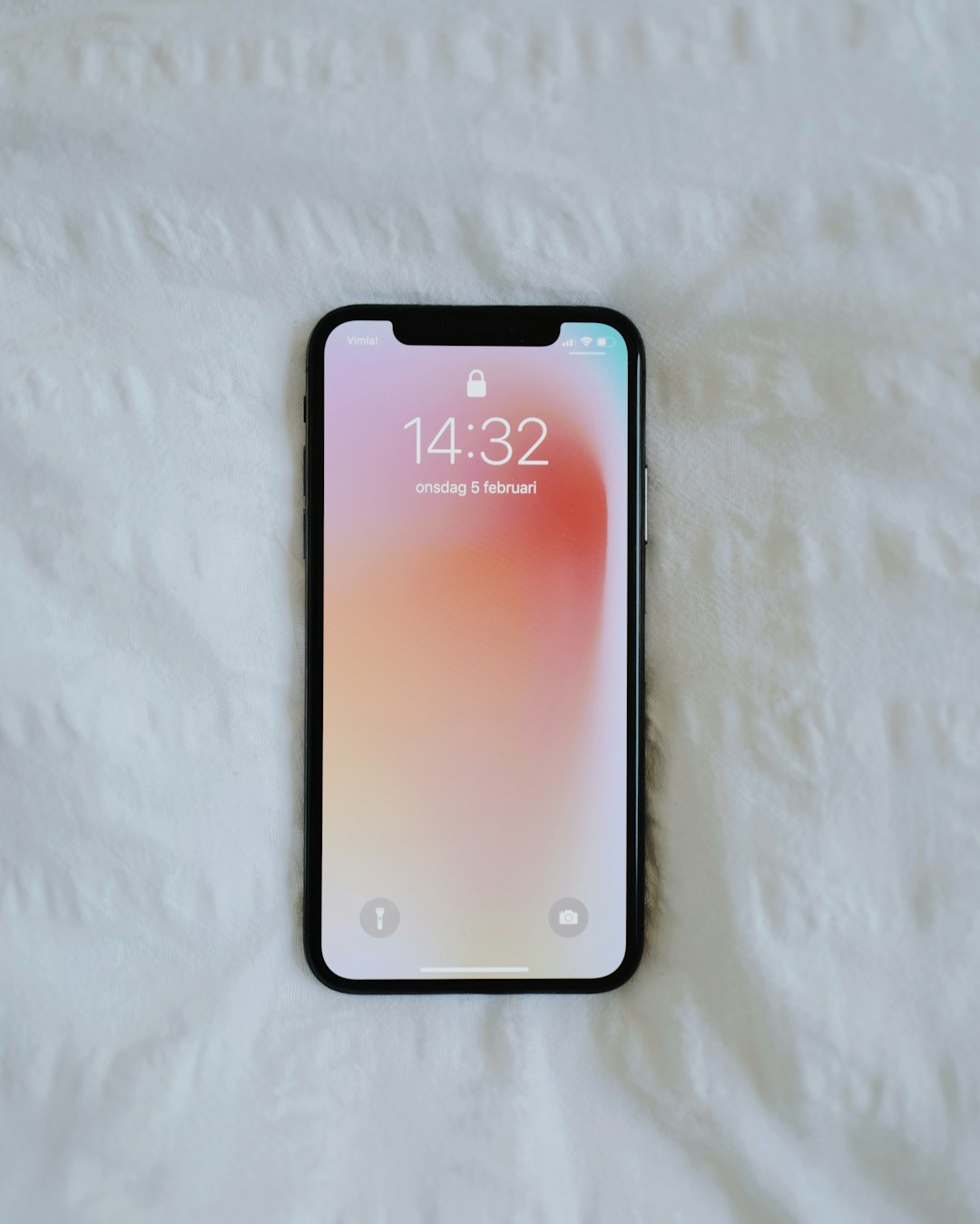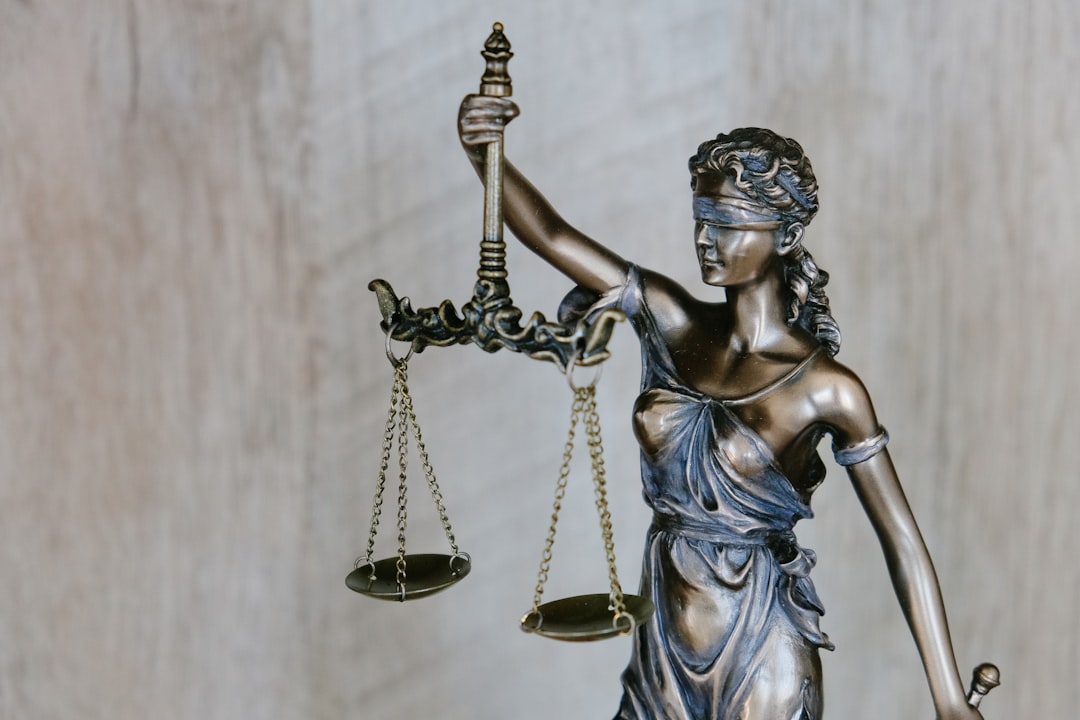
Minnesota residents face a robocall crisis. The state's No Call law offers protection via registration on the Do Not Call list, but spoofing limits its effectiveness. Countermeasures include using call-blocking tools, reporting scams, and consulting a lawyer for No Call Laws Minnesota. Document interactions, report calls to authorities, and educate yourself about TCPA rights. Combine legal guidance with community advocacy to enhance defense against robocalls and fraud.
Robocalls have become a persistent nuisance for Minnesota residents, inundating phone lines with unwanted marketing messages and fraudulent schemes. In response to this growing concern, understanding the state’s No Call Laws is more crucial than ever. These laws empower citizens to take back control of their communication channels, yet enforcement can be complex. A lawyer specializing in No Call Laws Minnesota can offer invaluable guidance, ensuring residents understand their rights and take effective action against these intrusions. This article delves into practical strategies for Minnesotans to fight back, empowering them to navigate these laws and reclaim their peace of mind.
Understanding Robocalls and Minnesota's No Call Laws

Robocalls have become a ubiquitous nuisance for Minnesota residents, with an average of 30 million automated calls flooding the state each month. These mass marketing calls, often targeting specific demographics or promoting various services and products, can be particularly intrusive due to their frequency and lack of personalization. Understanding the nature of robocalls and navigating Minnesota’s stringent No Call laws is a crucial step in fighting back against this modern-day frustration.
Minnesota’s No Call law, enforced by the Minnesota Public Utilities Commission (MPUC), prohibits telemarketers from making automated calls to residents who have registered on the Do Not Call list. This powerful tool offers individuals a level of control over their phone lines, but it requires active participation. Residents interested in curtailing robocalls should immediately register for the state’s Do Not Call list, ensuring their number is not used for telemarketing purposes. A lawyer specializing in No Call Laws Minnesota can provide guidance on the registration process and help residents understand their rights and options if they believe their privacy has been violated.
While the Do Not Call list is an effective deterrent, it’s essential to recognize that some robocalls may still slip through the cracks. Advanced technology allows for call spoofing, making it appear as though calls originate from legitimate sources. To combat this, residents can invest in call-blocking apps or hardware designed to identify and filter out automated calls. Additionally, staying informed about emerging scams and fraudulent calls is vital; local consumer protection agencies often issue alerts, providing valuable insights into new robocall tactics. By combining proactive measures with legal protections offered by a lawyer for No Call Laws Minnesota, residents can significantly reduce the impact of unwanted robocalls on their daily lives.
Documenting and Reporting Unwanted Calls

Minnesota residents have a powerful tool in their fight against robocalls: documenting and reporting these unwanted calls. This proactive approach not only helps individuals protect themselves from deceptive or fraudulent practices but also contributes to broader efforts to enforce Minnesota’s No Call Laws, for which a lawyer specializing in this area can provide invaluable guidance.
Documenting each robocall interaction is the first step. Residents should note down the caller’s phone number, the date and time of the call, and a detailed description of the message or interaction. This information is crucial when filing a complaint with the Minnesota Public Utilities Commission (MPUC) or reporting to a lawyer for No Call Laws Minnesota enforcement. For instance, if a call claims to be from a government agency but demands immediate payment, the specific script can be used as evidence in legal proceedings. Additionally, keeping a log of calls can help identify patterns and recurring offenders, enabling targeted actions against unscrupulous callers.
Reporting these incidents is just as vital. The MPUC accepts complaints regarding unwanted telemarketing calls, and consumers can also report through national do-not-call registries like the National Do Not Call Registry (NDLR). When filing a report, it’s essential to include all relevant details documented during the call. A lawyer for No Call Laws Minnesota can assist in navigating this process, ensuring compliance with legal requirements. For example, the Federal Trade Commission (FTC) enforces the Telemarketing Sales Rule, which prohibits certain types of robocalls, and a legal expert can help determine if a specific case falls under these regulations.
Furthermore, utilizing technology to block or filter calls can complement these reporting efforts. Many phone service providers offer call-blocking features or apps designed to identify and prevent robocalls. In conjunction with documenting and official complaints, these measures collectively empower Minnesota residents to take back their communication channels from relentless robocallers.
Legal Action: When to Consult a Lawyer

Minnesota residents dealing with relentless robocalls have legal options available to them. While many people may feel powerless against these automated calls, understanding your rights and knowing when to consult a lawyer for No Call Laws Minnesota can be instrumental in reclaiming control of your communication channels. If you’ve exhausted do-not-call list registrations and other DIY solutions, it’s time to explore legal action.
A crucial step is identifying whether the robocalls violate specific state or federal laws. The Telephone Consumer Protection Act (TCPA) is a key piece of legislation designed to curb excessive phone marketing. It imposes restrictions on automated calls and text messages, requiring prior express consent from recipients. If you’ve received unwanted calls promoting products or services, especially after requesting cessation, consulting a lawyer specializing in No Call Laws Minnesota can help determine if legal action is warranted. These attorneys have the expertise to navigate complex regulations and can guide you through the process of filing a complaint with regulatory bodies or even pursuing litigation.
Many consumers are unaware of their rights or underestimate the value of legal counsel. However, a lawyer for No Call Laws Minnesota can provide invaluable assistance in several ways. They can help gather evidence, such as call records and transcripts, to strengthen your case. Additionally, they can negotiate with debt collectors or telemarketers on your behalf, ensuring compliance with No Call Laws. In some cases, legal action may result in substantial financial compensation for victims of repeated robocalls, serving not only as a deterrent but also as a form of justice.
Remember, proactive measures and knowledge are key to fighting back against robocalls. Educating yourself about your rights and seeking professional legal advice when necessary can empower you to reclaim peaceful communication without unwanted intrusions.
Effective Strategies for Blocking Robocalls

Minnesota residents are increasingly affected by unwanted robocalls, which can be a significant nuisance and even pose security risks. Fortunately, there are several effective strategies to block these calls and protect yourself from potential fraud or identity theft. One of the most crucial steps is understanding Minnesota’s No Call Laws, enforced by a lawyer specializing in these regulations. These laws provide residents with powerful tools to combat unwanted telemarketing calls.
The first line of defense involves registering your number on the state’s Do Not Call list. This official registry ensures that you receive fewer marketing calls and helps enforce the No Call Laws. Additionally, Minnesota allows residents to block specific numbers manually through their phone settings or by using third-party apps designed for call blocking. These tools learn to identify and prevent robocalls based on patterns and caller behavior. For instance, many popular call-blocking apps maintain extensive databases of known spammer numbers, ensuring a robust defense against robocalls.
While individual efforts are beneficial, collective action is even more powerful. Minnesota residents can join or form community groups that advocate for stricter No Call Law enforcement. By raising awareness and sharing experiences with local representatives and law enforcement agencies, these groups can drive change. Furthermore, staying informed about the latest call-blocking technologies and keeping your contact information private when registering for services online can significantly reduce the influx of robocalls.
Supporting Local Efforts to Combat Telemarketing Fraud

Minnesota residents face a growing challenge from robocalls, with thousands of fraudulent telemarketing calls inundating the state each day. This surge has led to increased frustration among citizens and prompted local communities to take action. Supporting grassroots efforts to combat telemarketing fraud is a crucial step in safeguarding consumers and enforcing No Call Laws in Minnesota. By collaborating with local initiatives, residents can bolster defenses against these unwanted intrusions and hold perpetrators accountable.
One effective strategy involves engaging with local consumer protection groups and non-profit organizations dedicated to preserving privacy rights. These entities often lead campaigns that educate the public about robocalls and advocate for stricter regulations. For instance, Minnesota’s Attorney General’s Office actively encourages residents to report suspected fraudulent calls, using data from these reports to target telemarketers violating state laws. A lawyer specializing in No Call Laws in Minnesota can provide invaluable guidance on navigating legal options, ensuring that consumers’ rights are protected and offenders face consequences.
Additionally, community-led initiatives often focus on promoting do-not-call registries and encouraging businesses to adopt best practices for responsible telemarketing. By raising awareness through local events, workshops, or online resources, residents can empower themselves and their neighbors to take proactive measures against robocalls. These collective efforts not only create a safer digital environment but also foster a sense of community resilience in the face of modern-day communication challenges.
About the Author
Dr. Emma Johnson is a renowned telecommunications expert and lead researcher at the Minnesota Call Management Institute. With a Ph.D. in Information Technology, she specializes in robocall technologies and strategies. Emma has published groundbreaking research on consumer protection against unwanted calls, contributing articles to Forbes and presenting at industry conferences worldwide. She is active on LinkedIn, where her insights are highly regarded. Dr. Johnson’s expertise lies in empowering Minnesota residents with effective tools to combat intrusive robocalls.
Related Resources
Federal Communications Commission (FCC) (Government Portal): [Offers official guidance and regulations regarding robocalls and consumer protection.] – https://www.fcc.gov/consumers/robocalls
Minnesota Attorney General’s Office (Legal Resource): [Provides legal advice and information on how Minnesota residents can combat robocalls and protect themselves from fraud.] – https://ag.minn.gov/consumer-protection/scams-and-fraud/robocalls
University of Minnesota Library (Academic Database): [Access to academic articles and research papers related to communication, technology, and consumer behavior.] – https://lib.umn.edu/
Better Business Bureau (BBB) (Industry Association): [Offers tips and resources on dealing with unwanted calls and reporting fraudulent activities.] – https://www.bbb.org/us/mn/minneapolis-st-paul
TechCrunch (Technology News Site): [Provides up-to-date news and analysis on technological advancements, including trends in robocall technology and consumer defense.] – https://techcrunch.com/
Consumer Reports (Consumer Advocacy Group): [Offers practical advice and guides on dealing with various consumer issues, including robocalls.] – https://www.consumerreports.org/
Minnesota Public Utilities Commission (MPUC) (Government Agency): [Regulates telecommunications in Minnesota and provides resources for consumers to manage unwanted calls.] – https://www.mpuc.state.mn.us/