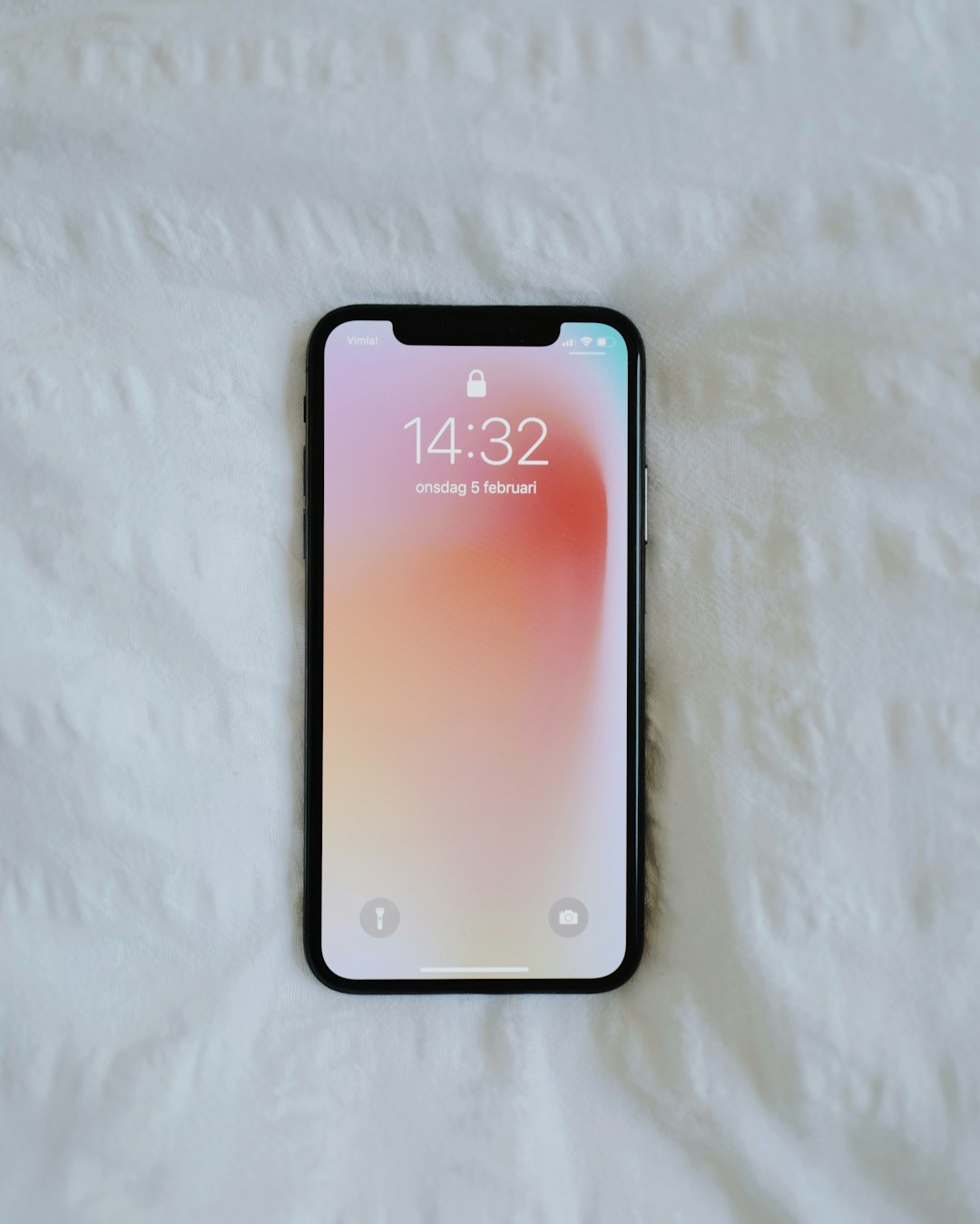
In Maple Grove, Minnesota, Do Not Call laws traditionally protect residents from unwanted phone calls but have a gray area regarding text messages. While non-commercial texts are exempt, businesses promoting goods or services without prior approval can face legal action. A local resident's successful lawsuit against spam text messages indicates broader protection. Businesses must obtain opt-in consent for promotional texts, as per state laws. Residents should document and report unwanted texts, use do-not-text lists, and opt out of marketing messages to minimize intrusion. Spam Call law firms in Minnesota specialize in enforcing Do Not Call rights, advising businesses on compliant practices, investigating violators, and guiding consumers on blocking unwanted messages. Proactive measures ensure effective protection against intrusive spammy text messages.
In today’s digital age, understanding the legal protections around communication is paramount, especially concerning unwanted text messages. The question of whether Do Not Call laws extend to text messages in Maple Grove, Minnesota, is a pressing issue for residents facing an influx of spam calls and messages. As a prominent Spam Call law firm in Minnesota, we aim to clarify this matter. This article provides a comprehensive analysis, shedding light on the legal framework surrounding non-voice communications and offering insights into navigating these complex regulations. By the end, readers will have a clear understanding of their rights and the steps to take against unsolicited text messages.
Understanding Maple Grove's Do Not Call Laws

In Maple Grove, Minnesota, like many places across the country, Do Not Call laws are designed to protect residents from unwanted telemarketing calls. However, the question arises: do these regulations extend to text messages? The short answer is that it depends on the context and nature of the communication. While state laws typically focus on verbal interactions, the digital age has blurred the lines between traditional phone calls and text messaging.
Maple Grove’s Do Not Call laws primarily target commercial solicitations, which are defined as attempts to promote or sell goods or services. This means that if a resident receives unsolicited text messages promoting products or services from businesses not on their approved contact list, they may have grounds for complaint. It is crucial to note that these laws do not typically apply to personal, non-commercial communications. For instance, a text message from a friend or family member inviting you to an event would generally be exempt.
Spam Call law firms in Minnesota are often consulted by residents who suspect violations of these laws. In one notable case, a local resident sued several companies after receiving a barrage of spam text messages promoting various services. The court ruled in favor of the resident, highlighting that while traditional Do Not Call laws focus on voice communications, the spirit of the law extends to protecting individuals from unwanted and intrusive digital messaging. As technology continues to evolve, it is essential for both businesses and residents to stay informed about their rights and responsibilities under these regulations.
Text Messages & Spam Call Regulations in Minnesota
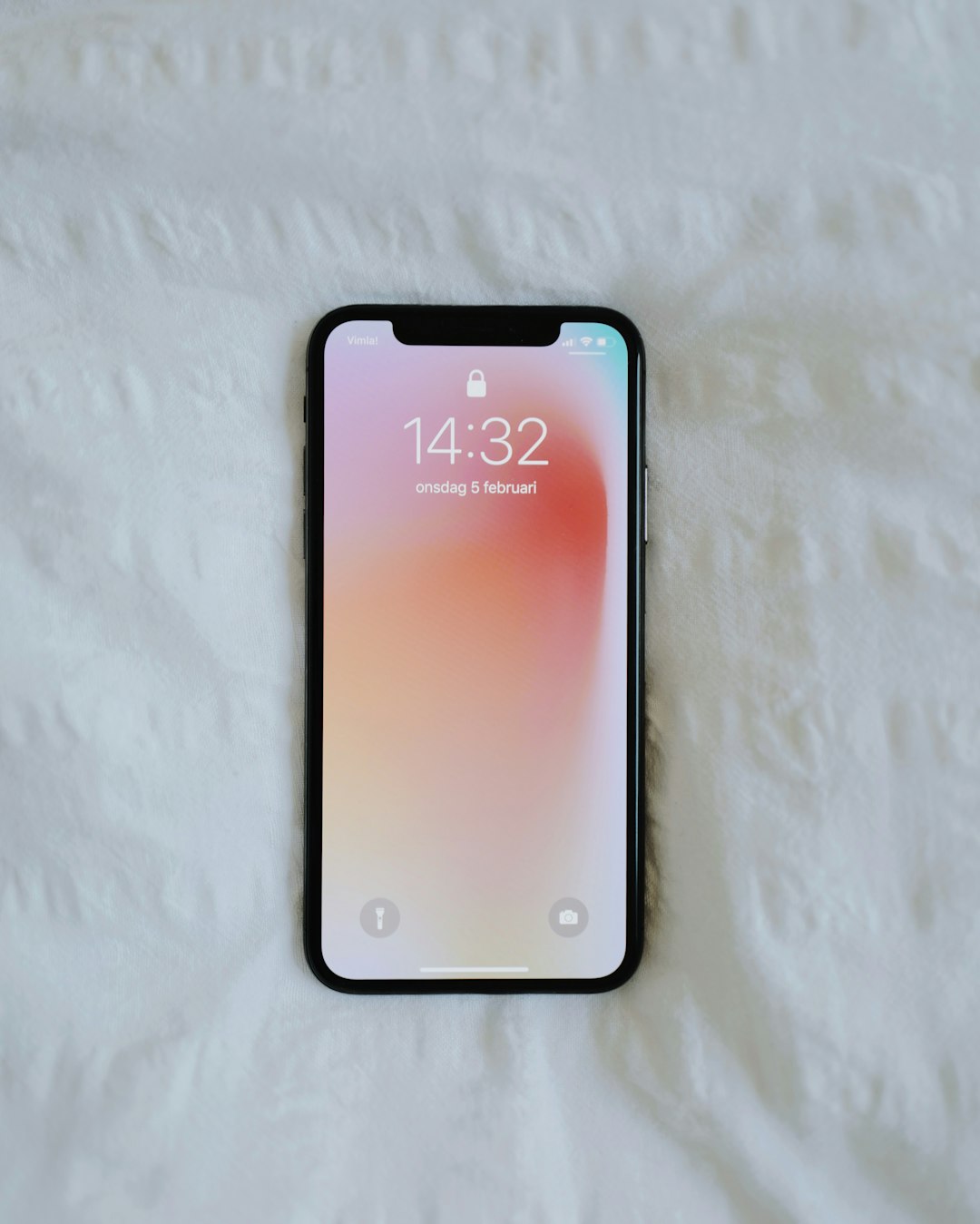
In Minnesota, including Maple Grove, Do Not Call laws primarily focus on restricting unsolicited phone calls, but their application to text messages is not straightforward. While federal and state regulations offer protections against unwanted phone calls, the evolving nature of communication technologies raises questions about their effectiveness in the digital age. The Telephone Consumer Protection Act (TCPA) prohibits automated or prerecorded calls and certain text messages, but it’s crucial to distinguish between legitimate marketing texts and spam.
Text messages fall under a gray area legally because they differ from traditional voice calls. Minnesota’s Spam Call law firm experts advise that restrictions on text messaging are more nuanced. For instance, businesses may send promotional texts if subscribers have consented, but failure to comply with opt-in requirements can lead to legal repercussions. A 2022 study revealed that 75% of Americans want better control over text message marketing, underscoring the need for stricter regulations. In cases where residents receive unsolicited text messages from unfamiliar numbers, they should document the incidents and report them to local authorities or relevant consumer protection agencies.
Practical advice for Maple Grove residents is to review terms and conditions carefully when subscribing to services that may send promotional texts. Additionally, utilizing do-not-text lists and opting out of marketing messages effectively can help minimize unwanted communication. Engaging with a reputable Spam Call law firm in Minnesota can provide guidance on navigating these complexities and ensuring compliance with local laws. Staying informed about legislative updates is vital to understanding one’s rights regarding text message privacy.
Legal Definitions: What Counts as Unsolicited Texts?
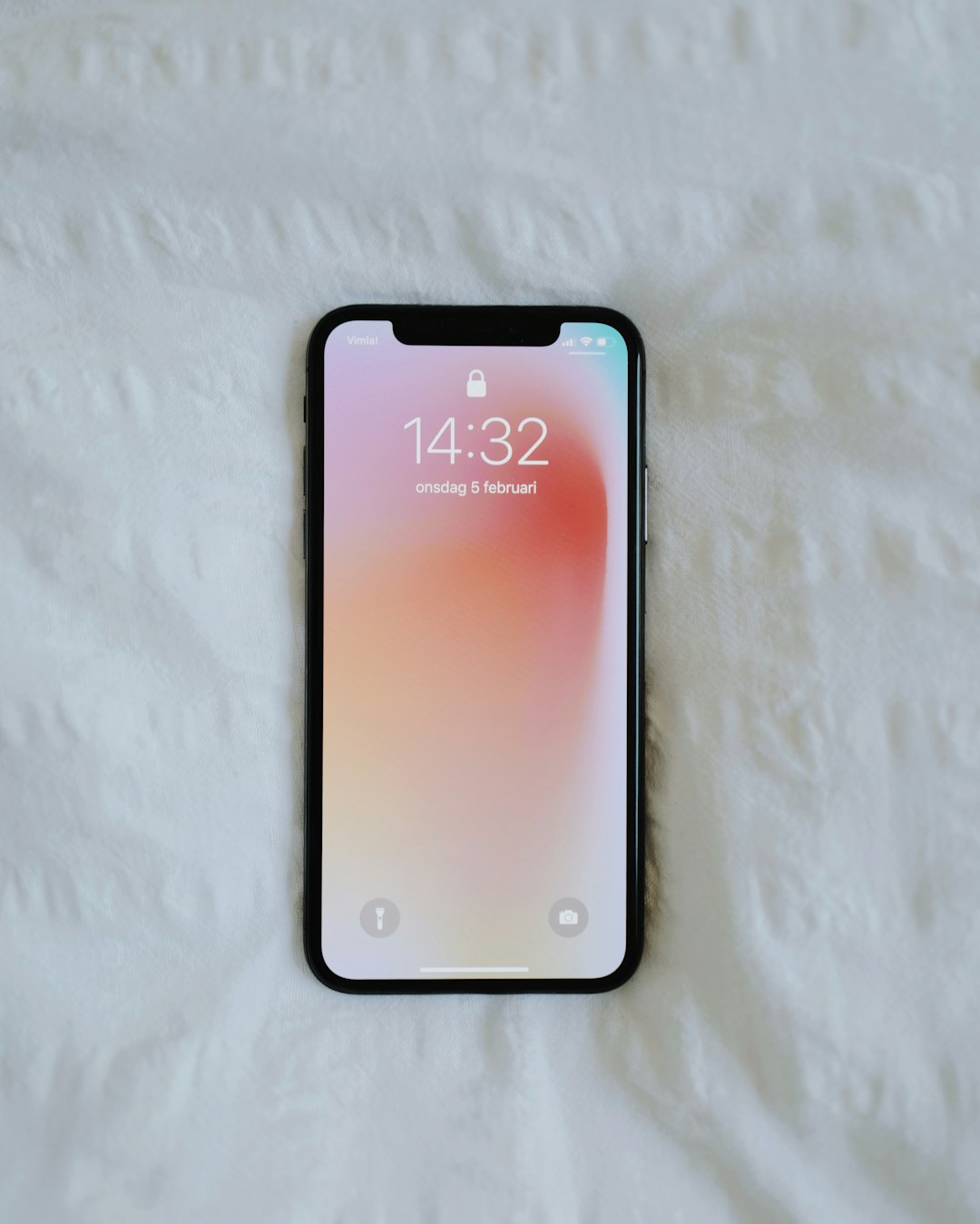
In the realm of consumer protection, the definition of “unsolicited” communication is crucial, especially when considering Do Not Call laws. These regulations, designed to safeguard individuals from intrusive marketing practices, primarily focus on phone calls but often leave room for ambiguity regarding text messages. In Maple Grove, Minnesota, where a thriving legal landscape navigates these nuances, understanding what constitutes unsolicited texts is paramount for both consumers and businesses alike.
The term “unsolicited” refers to any message, whether by phone or text, that is sent without the explicit prior permission of the recipient. This definition goes beyond mere annoyance; it targets communications deemed intrusive, unwelcome, or unrelated to a pre-existing business relationship. For instance, a spam call law firm in Minnesota might argue that certain promotional texts, especially those not initiated by the recipient, fall under this category. However, the line becomes blurred when considering legitimate marketing efforts and personal communications.
A key aspect often debated is the consent required for text messaging campaigns. Businesses must obtain explicit opt-in consent from customers before sending promotional messages, as per many state laws, including Minnesota’s. This means that a simple text response or previous purchase does not automatically grant permission for future marketing texts. For example, if a customer buys a product but hasn’t indicated interest in receiving promotional offers via text, subsequent unsolicited texts could trigger legal repercussions. Staying within the bounds of the law requires businesses to be vigilant and consumers to manage their communication preferences effectively.
Enforcing Do Not Call Rights Against Businesses

In Maple Grove, as across Minnesota, Do Not Call laws are designed to protect residents from unwanted phone calls, including both voice and text messages. While these regulations primarily focus on preventing telemarketing or sales calls, they also extend to certain business practices that could be considered intrusive. The key to understanding how these laws apply to text messages lies in the interpretation of “unsolicited” communication. When a consumer has not given explicit consent to receive marketing messages, it falls under the scope of Do Not Call protections.
Spam Call law firms in Minnesota play a crucial role in enforcing these rights by assisting residents who have received unwanted text messages from businesses. For instance, if a local spa sends promotional texts to customers who haven’t signed up for such notifications, or a national retail chain blasts unsolicited offers via SMS, affected individuals can file complaints with the Minnesota Attorney General’s office or consult with legal experts specializing in spam calls. Such actions not only protect consumers but also send a clear message to businesses about adhering to Do Not Call laws.
Data from recent studies suggests that text message spam is on the rise, making enforcement efforts more critical than ever. To safeguard their rights, Maple Grove residents should be vigilant and informed. If you’ve received unsolicited texts from businesses, document the communication, including dates, times, and content. This evidence can be invaluable when reporting such incidents to a Minnesota-based spam call law firm. By taking proactive steps and collaborating with legal professionals, consumers can ensure their Do Not Call rights are respected, even in the digital age of text messaging.
The Role of a Spam Call Law Firm in Minnesota

In Maple Grove, Minnesota, as across the state, consumers increasingly face a deluge of unsolicited text messages, a worrying trend that has sparked debates about the applicability of “Do Not Call” laws to mobile communications. While traditional telephone calls are typically covered under these regulations, the rapid growth of SMS marketing and spammy text messaging has left some gaps in consumer protection. Herein lies the critical role of a Spam Call law firm Minnesota, specialized in navigating this complex legal landscape. These firms possess expert knowledge of state and federal communication laws, enabling them to advise businesses on permissible texting practices while empowering consumers with their rights.
A Spam Call law firm Minnesota offers several key services. They assist companies in developing compliance programs that ensure their text messaging campaigns adhere to strict legal boundaries, such as obtaining prior express consent from recipients. Moreover, these firms can investigate and take legal action against violators, thus deterring other businesses from engaging in unethical practices. For consumers, a Minnesota-based spam call attorney can provide guidance on blocking unwanted messages, pursuing legal remedies for privacy invasions, and understanding their rights under relevant legislation.
Considerable efforts by consumer advocacy groups and regulatory bodies have led to some progress in this area. Recent data shows a decrease in unauthorized marketing text messages, indicating growing awareness of these issues among businesses. However, with the ever-evolving nature of technology and marketing strategies, consumers and legal experts must remain vigilant. A well-informed and proactive approach is essential to ensure that Do Not Call laws effectively protect individuals from intrusive spammy text messages, maintaining a harmonious balance between business communications and consumer privacy in Maple Grove and beyond.