
Minnesota's "do not call" laws protect residents from unwanted telemarketing calls and texts, but they primarily cover phone calls, excluding text messages. No-call law firms in Minnesota assist residents with registration on the state's list and understanding legal protections against unsolicited communication. As digital communication evolves, these laws are debated to adapt to modern methods like text messaging, ensuring consumer privacy. Residents can block senders or register with the National Do Not Call Registry, but for complex cases, consulting a no-call law firm is advised.
In Maple Grove, as across Minnesota, Do Not Call laws aim to protect residents from unwanted marketing calls. But do these regulations extend to text messages? This article navigates the intricate relationship between Minnesota’s Do Not Call laws and SMS communication. We explore differences between text messages and traditional phone calls, delve into legal protections for consumer privacy, and uncover exceptions and loopholes unique to Maple Grove. Learn how to opt-out of unwanted texts and stay informed about your rights with top No Call law firms in Minnesota.
Understanding Minnesota's Do Not Call Laws

In Minnesota, including Maple Grove, “do not call” laws are designed to protect residents from unwanted telemarketing calls and texts. These laws, primarily enforced by the Minnesota Attorney General’s Office, give consumers the right to register their phone numbers on the state’s Do Not Call list. The list prevents businesses from making marketing calls or sending text messages to registered numbers without prior consent.
Minnesota’s no call laws are extensive and cover various forms of communication. While landlines and cell phones are typically included, the rules also extend to texts sent from automated dialing systems. Consumers can register their numbers online through the Attorney General’s website, providing a convenient way to assert their privacy rights. No call law firms in Minnesota play a crucial role in assisting residents with registering their numbers and understanding their legal protections against unwanted communication.
Text Messages vs. Traditional Phone Calls

In today’s digital age, communication has evolved significantly from traditional phone calls to text messages. This shift in how we connect has raised questions about the applicability of “do not call” laws to text messaging, especially in places like Maple Grove, Minnesota. While these laws were initially designed to protect consumers from unwanted phone calls, their relevance in the text message context is a topic of discussion.
Text messages, being a more direct and immediate form of communication, differ from traditional phone calls in several ways. They offer faster delivery, longer thread histories, and often serve as a primary mode of contact for many individuals. Given these differences, it’s understandable that some argue text messages should be treated separately under “no call” regulations. This debate highlights the need for Minnesota’s no-call laws to adapt to modern communication methods to better protect residents from unwanted contact.
Legal Protections for Consumer Privacy

In the realm of consumer privacy, especially regarding communication, No Call Law Firms Minnesota play a pivotal role in safeguarding residents’ rights. These laws, designed to protect individuals from unwanted calls and texts, extend beyond traditional telephone conversations. With the rise of text messaging, many consumers have sought legal clarity on whether they are protected from unsolicited text messages, particularly those promoting products or services.
In Minnesota, No Call Law Firms have been instrumental in ensuring that residents’ privacy is respected. These laws explicitly prohibit businesses and organizations from sending unwanted text messages, often used for marketing purposes, without prior consent. Consumers can take comfort knowing they have legal recourse if they feel their privacy has been invaded by such messages. This protection is crucial in the digital age, where communication channels are diverse and constantly evolving.
Exceptions and Loopholes in Maple Grove
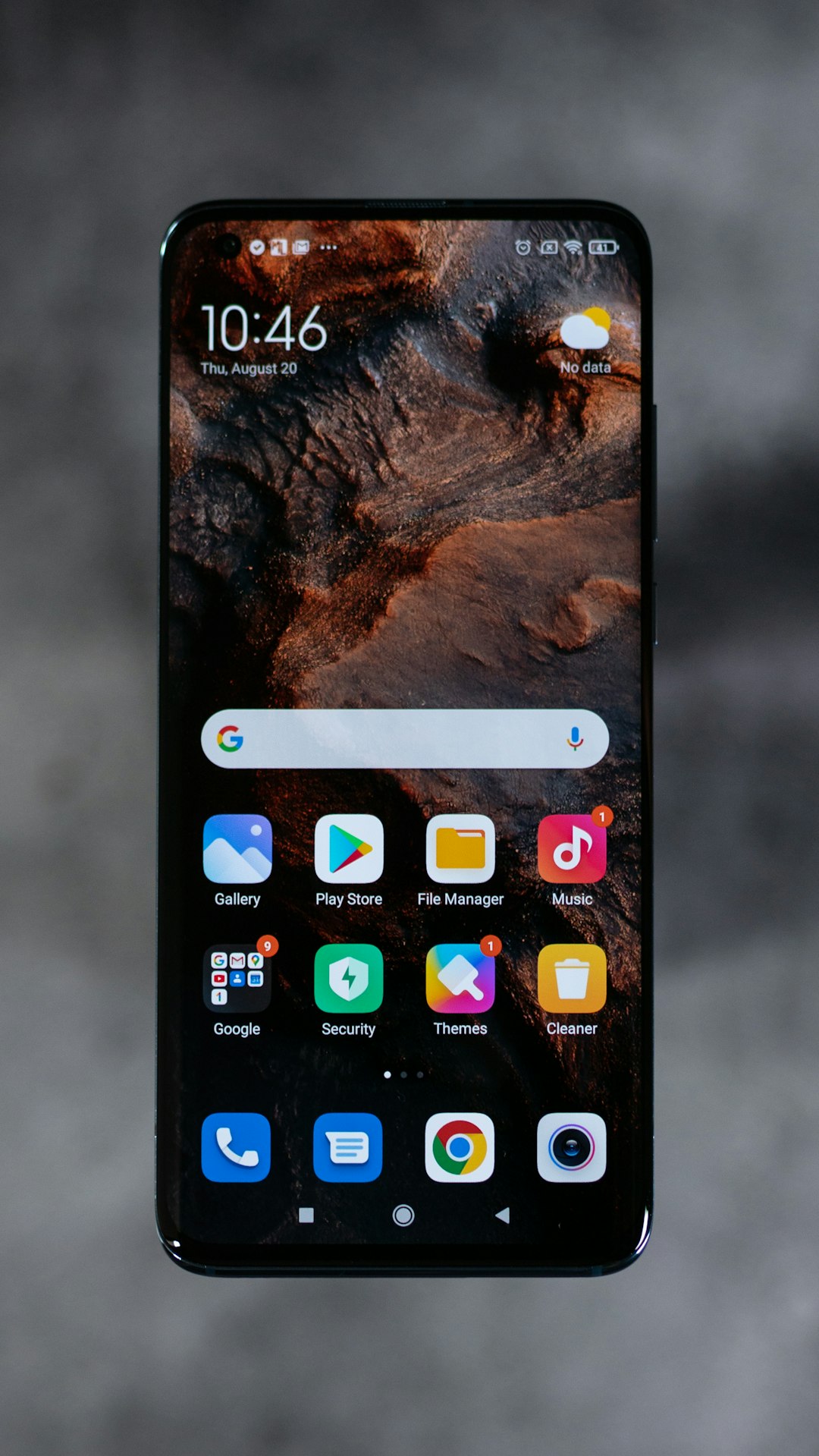
In Maple Grove, as in many places, no-call laws aim to protect residents from unwanted telemarketing calls and texts. However, these laws can be complex with various exceptions and loopholes. While most states, including Minnesota, have implemented restrictions on robocalls and automated messages, text messages often fall under a different set of regulations. Some companies might still legally send promotional texts if you’ve provided explicit consent, such as signing up for a newsletter or participating in a contest.
Additionally, there are instances where businesses may reach out via text message without your prior consent under certain circumstances, like during an emergency situation or for messages related to existing business relationships. These complexities often lead many residents to seek clarification from reputable no-call law firms in Minnesota to understand their rights and protect themselves from intrusive messaging.
How to Opt-Out of Unwanted Texts

In Maple Grove, as in many parts of Minnesota, do no call laws extend to text messages. To opt-out of unwanted texts, the first step is to identify and block the sender. Most cell phone carriers offer built-in tools for blocking numbers, making this process straightforward. Additionally, consider registering your number with the National Do Not Call Registry, which can help prevent telemarketers from contacting you via text or call.
If you’re still receiving unwanted texts despite these measures, consult a no call law firm in Minnesota. These legal experts can guide you through your rights and options, ensuring that your phone is free from unsolicited messages. Remember, it’s crucial to take action immediately to protect your privacy and prevent further disturbance.